Which Best Describes Heat Loss Through Air Currents
This works in a. A map view of surface air movement in a low-pressure system is shown.
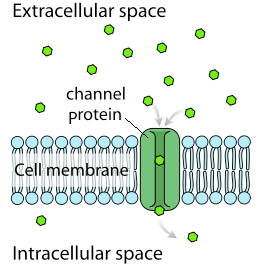
Unit 3 Cell Transport And Homeostasis Quiz Quizizz
The different modes of heat transfer include.

. The convection currents set up in a room with a radiator are shown in the adjoining figure. DNo energy is exchanged between the water and the air. This leads to a convective heat loss.
According to the picture above what direction will the air currents most likely move. What is heat loss from the skin to surrounding cooler environments. Conduction is the transfer of heat through direct contact between the surface and the atmosphere.
The air near the center of this low-pressure system usually will. ___ refers to heat conducted through walls ceilings and floors due to a temperature difference between indoor and outdoor air Heat leakage A materials ___ indicated how much heat will transfer through 1Ft2 of the material 1 thick in 1hr when there is a 1degF temperature difference between the two sides of the material. Air currents form due to the uneven heating of Earth.
The picture below shows warm air over land and cool air over water. Although often discussed as a distinct method of heat transfer convective heat transfer involves the combined processes of conduction and advection. The rotation of the Earth.
Radiation is how heat travels through empty space. The energy absorbed by the Earth returns to the atmosphere through three processes. Heat loss from the skin through the air currents passing over it such as a fan.
Radiation does NOT require molecules to travel. Describes an increase in body temperature without a change in the set point of the hypothalamic regulatory center. Air is a relatively poor thermal conductor which means it is a good insulator so conduction represents only a small.
Air currents in the atmosphere OR a burner causing water to boil in a pot. What is Convection. Convection is the process of heat transfer by the bulk movement of molecules within fluids such as gases and liquids.
Rise and form clouds. From the land toward the water. Note that this definition of convection is only applicable in.
The transfer of heat energy in a fluid liquid or gas due to differences in density and unequal heating. Squeeze together to form a high-pressure system. Occurs when thermoregulatory mechanisms are overwhelmed by heat production.
Heat loss by __ varies with the temperature of the environment. The air above the. 22The diagram below shows a sealed container holding 250 milliliters of water at 80C.
Heat loss through the roof can be reduced by laying loft insulation. If proper measures are not taken to mitigate heat loss immediately after birth the temperature of the newborn could drop by 2 to 4 degrees C within the first 20 minutes. Heat can travel from one place to another in several ways.
Convection is the transfer of heat from one place to another due to the movement of fluid. What is heat loss through skin to surrounding cooler object such as clothing. In general convection is either the mass transfer or the heat transfer due to bulk movement of molecules within fluids such as gases and liquids.
Refers to heat transfer through the circulation of air currents. Another name for wind example. Air in direct contact with the sun-warmed ground becomes warm and buoyant.
Radiation is the most significant source of heat loss after birth and throughout the rest of development. This up-and-down motion is called a convection current. The material also prevents air circulating inside the cavity therefore reducing heat loss by convection.
From the water toward the land D. Electricity turns to heat air in the oven heats up and the molecules move faster air moleucles bump into the chicken moleules in the chicken move faster. Up to 24 cash back Convection is how heat travels through fluids liquids and gases.
What is heat loss from skin by air currents passing over it such as a fan. Meanwhile if the temperature difference exists between the two systems heat will find a way to transfer from the higher to the lower system. Air flow through the room cases convective heat loss.
AThe air gains more heat energy than the water loses. Waste heat is heat that is produced by a machine or other process that uses energy as a byproduct of doing workAll such processes give off some waste heat as a fundamental result of the laws of thermodynamicsWaste heat has lower utility or in thermodynamics lexicon a lower exergy or higher entropy than the original energy sourceSources of waste heat include all. When a cast iron skillet containing water is placed on a burner convection currents are formed in the water.
CThe air gains the same amount of heat energy that the water loses. The initial heat transfer between the object and the fluid takes place through conduction but the bulk heat transfer happens due to the motion of the fluid. Convection takes place through advection diffusion or both.
Electricity turns to heat currents of radiation swirl around the chicken the inside of the chicken warms up heat spreads throughout the chicken B. Convection is usually the dominant form of heat transfer in liquids and gases. What is heat loss through normal body functions such as respiration.
Straight up above the water C. In general the atmosphere is warmer near the surface and colder at higher altitudes and under these conditions warm air rises shuttling heat away from the surface. Tides rising and falling.
Evaporate into a liquid. Convection current spreads the heat in a circular up-and-down pattern. Warmer less dense molecules move up while the colder ones sink down.
BThe air gains less heat energy than the water loses. Heat loss from the skin to surrounding cooler environments. Hot fluids rise up while cold fluids sink down.
Convective heat loss is the transfer of heat from a body to moving molecules such as air or liquid. Conduction radiation and latent heat phase changeFigure 811. The thin air layer adjacent to the skin is heated by conduction from the body but carries the heat away from the body in the ambient air currents.
Although liquids and gases are generally not very good conductors of heat they can transfer heat quite rapidly by convection. Unequal heating of Earths surface. Straight down over the land B.
Convection currents cause areas of high and low pressure which creates wind. Heat loss through the skin to surrounding cooler objects such as clothing. Convection currents is the best example of this mode of heat transfer.
Convection is the process of heat transfer in fluids by the actual. An additional 5 percent of incoming solar energy leaves the surface through convection.

Evs Exam 2 Homework Flashcards Quizlet

Evs Exam 2 Homework Flashcards Quizlet
Heat And Temperature Science Quiz Quizizz


Comments
Post a Comment